
Building Stronger NGOs:
Lessons from FAME 2025
As 2025 drew to a close, ten youth NGOs from across Europe gathered in Sweden for a week dedicated entirely to mapping and improving their own organisations.
The FAME training, co-facilitated by Projekta Malta and Awesome People (Sweden), ran from 10-15 December 2025 and brought together NGO representatives from Bulgaria, Estonia, Germany, Hungary, Italy, the Netherlands, Poland, Romania, and Türkiye.
A Guide Built for the Realities of Small NGOs
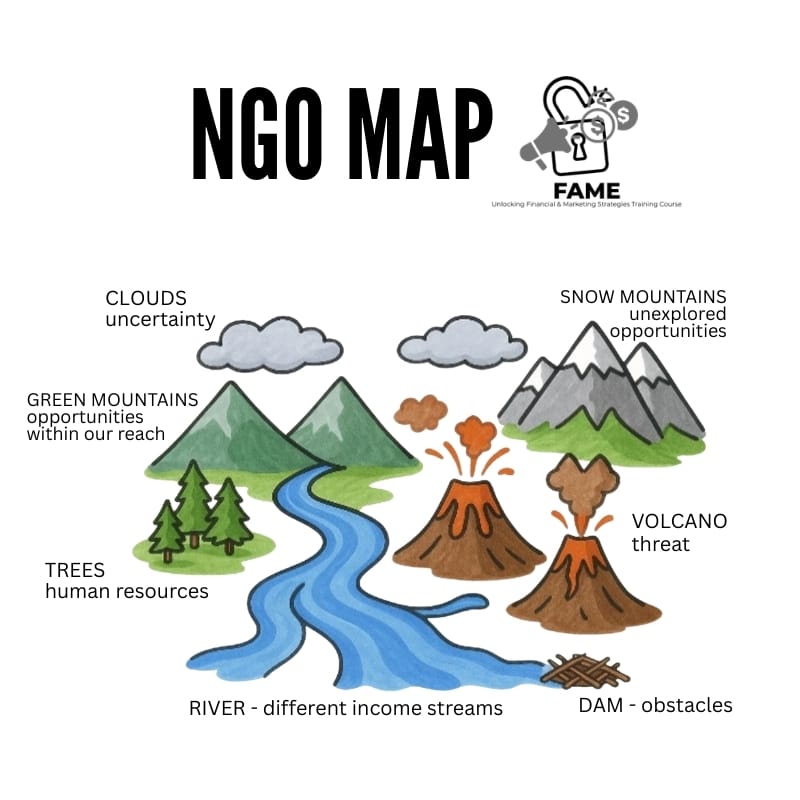
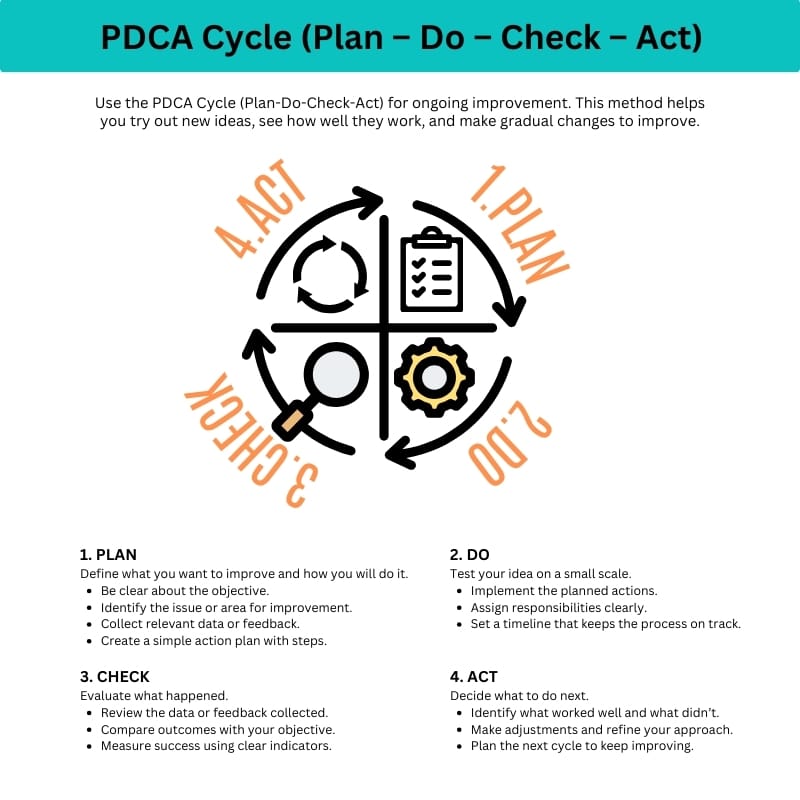
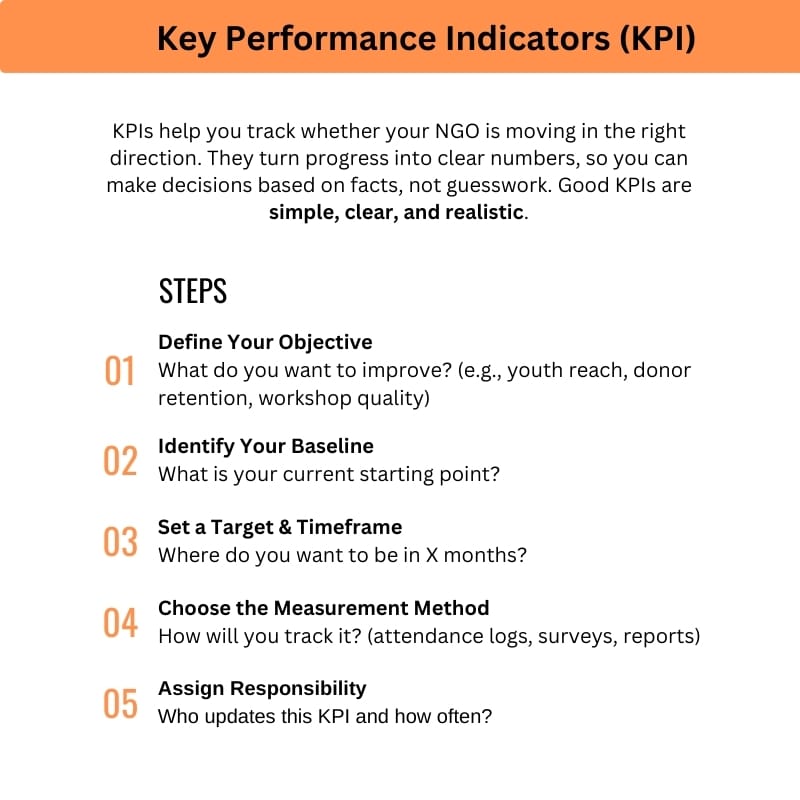
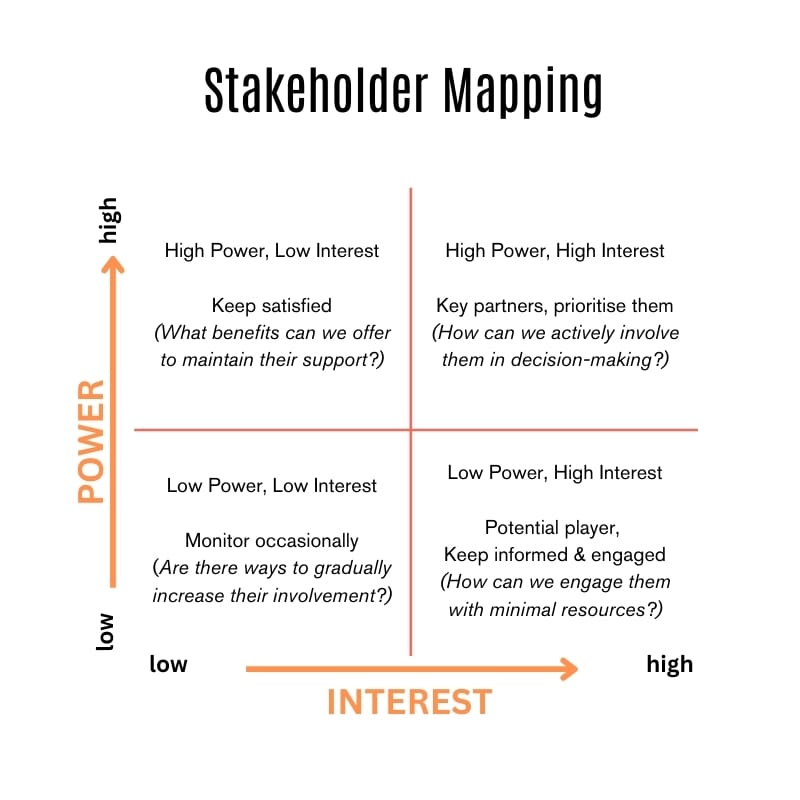
At the heart of the training was an adapted version of the Financial and Marketing Strategies for Youth NGOs guide, distilled from the full publication of the Erasmus+ project Unlock Cross-Sectoral Cooperation. Projekta Malta intentionally selected only the most essential and immediately usable tools: dependency ratio analysis, stakeholder mapping, KPI frameworks, HR assessments, and the PDCA cycle.
FAME Adapted GUIDE TO FINANCIAL AND MARKETING STRATEGIES FOR YOUTH NGOs
Crucially, the guide was designed so that even participants unfamiliar with these tools could work through them confidently. Clear explanations, step-by-step templates, and practical exercises meant that learning happened through doing. The goal was not complexity. It was clarity.
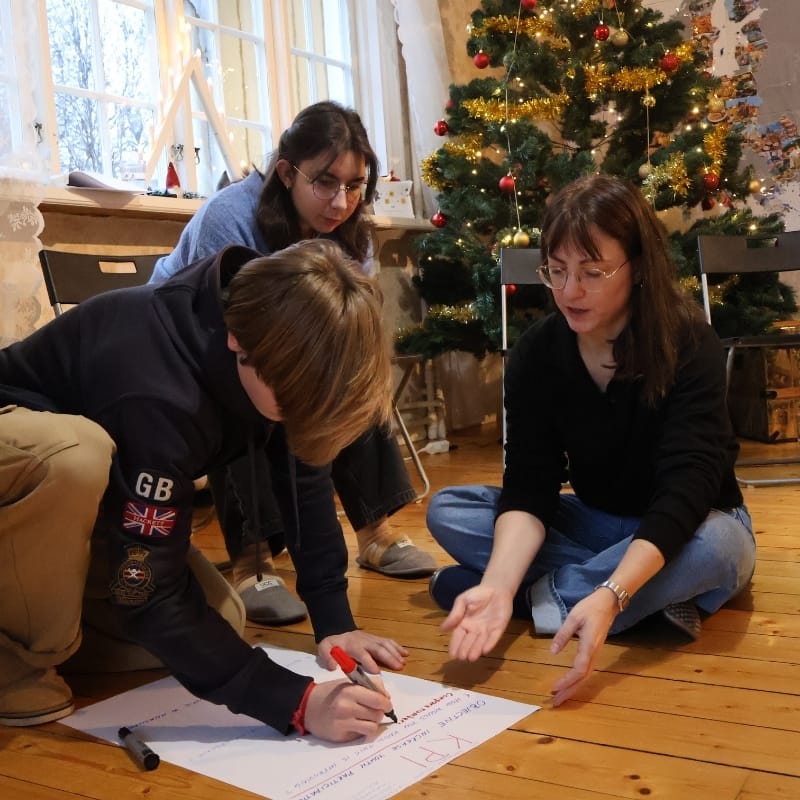
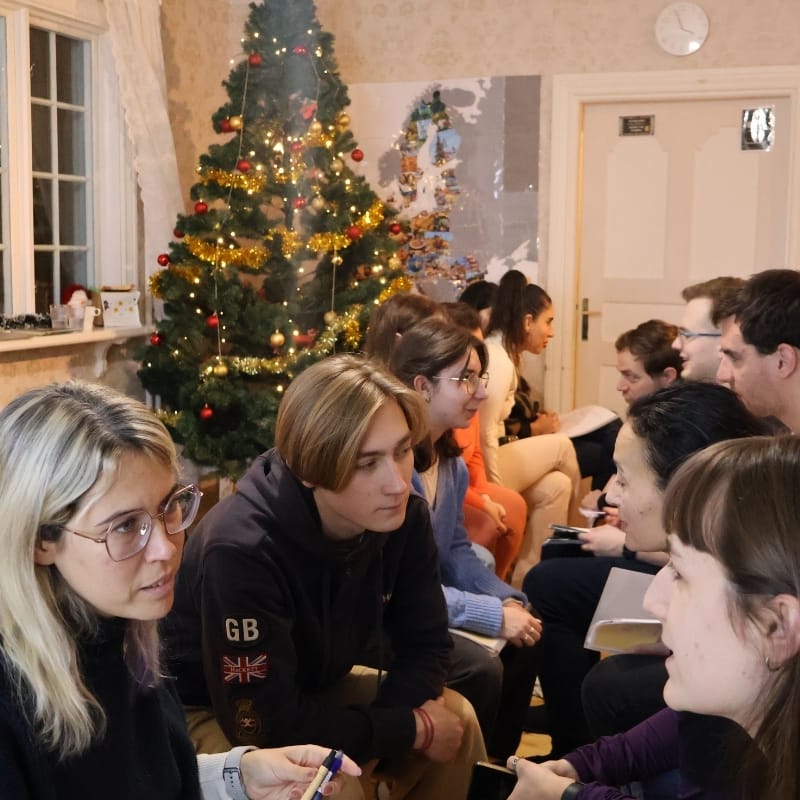
Participants worked directly on their own organisations, not on case studies. That made all the difference, and the feedback received confirmed this.

What the Week Revealed : The Private Sector Gap
A shared discovery across all ten organisations was a clear gap in private sector collaboration. Most were comfortable navigating grants, but approaching businesses as strategic partners felt unfamiliar.
By the end of the week, every organisation agreed: engaging the private sector will become a strategic priority in 2026. They are not fully ready yet, the next step is building clear partnership packages but the direction is set.
What Organisations Worked On
Through the PDCA cycle, each organisation defined one concrete improvement area and structured it into realistic steps.
Some focused on reducing dependency on a single funding source. Others worked on volunteer engagement, improving visibility, balancing project pipelines, or activating inactive members.
By the end of the training, everyone had a clear action plan, defined KPIs, and a tested framework tailored to their context. Not abstract goals, but structured next steps.
Hands-On, Not Homework
Together, these three outcomes demonstrate what cross-sectoral cooperation can achieve when an Erasmus+ project combines innovation with strategy. The partnerships formed, the tools developed, and the mindset shifts unlocked continue to generate new collaborations and project ideas.
If you are an organisation looking to explore cross-sectoral cooperation, these resources are a good place to start.
What Comes Next
The training opened an important next chapter. Organisations have assessed themselves and clarified their direction. What they now need is support in building concrete private sector partnership offers and practicing how to approach businesses as collaborators.
FAME was intentionally placed at the end of 2025. The strategies developed in Sweden are are the launchpads for 2026.
The FAME training was co-facilitated by Projekta Malta and Awesome People (Sweden) and supported by the Erasmus+ programme. The guide used during the training was designed by Olga Attard / Projekta Malta and adapted from the full publication of the Unlock Cross-Sectoral Cooperation project.